

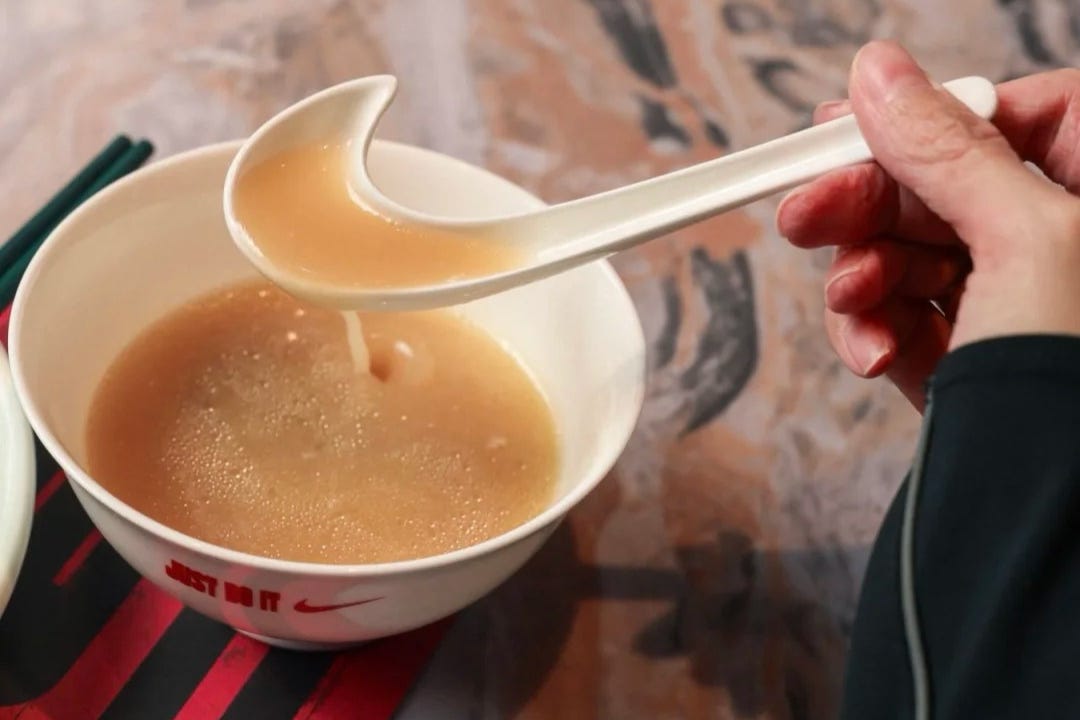
Forget the energy gel and the iced recovery drink. In Ersha Island, China, the ultimate runner’s fuel wears the “Swoosh,” and comes steaming hot, served on a red stool. Welcome to Songyuan, where Nike turns tradition into post-run triumph.
Serving traditional Cantonese herbal soups with ingredients like dried tangerine peel, bitter melon, and dates — this pop-up shop is perhaps the most on-brand thing Nike has ever done, even if it seems completely off-brand at first glance.
It’s not just a collaboration with a local soup vendor; Nike conceptualised it around the personal journey and cultural resonance of Olympic sprinter Su Bingtian (also a Chinese national hero). He is a Chinese track and field athlete, a sprint specialist, and the first Asian-born sprinter to officially break the 10-second barrier in the 100 meters. He brought great pride to his home region of Guangdong (in Guangzhou), where this soup shop is set.
Nike tied the concept of slow-cooked, ingredient-rich soup directly to Bingtian’s athletic journey using the campaign tagline: “No effort goes unrewarded.” In fact, the video campaign shows Bingtian wandering through a local wet market, selecting staples such as dried tangerine peel, bitter melon, dates, and pork ribs. It’s chaotic and truly hyperlocal.
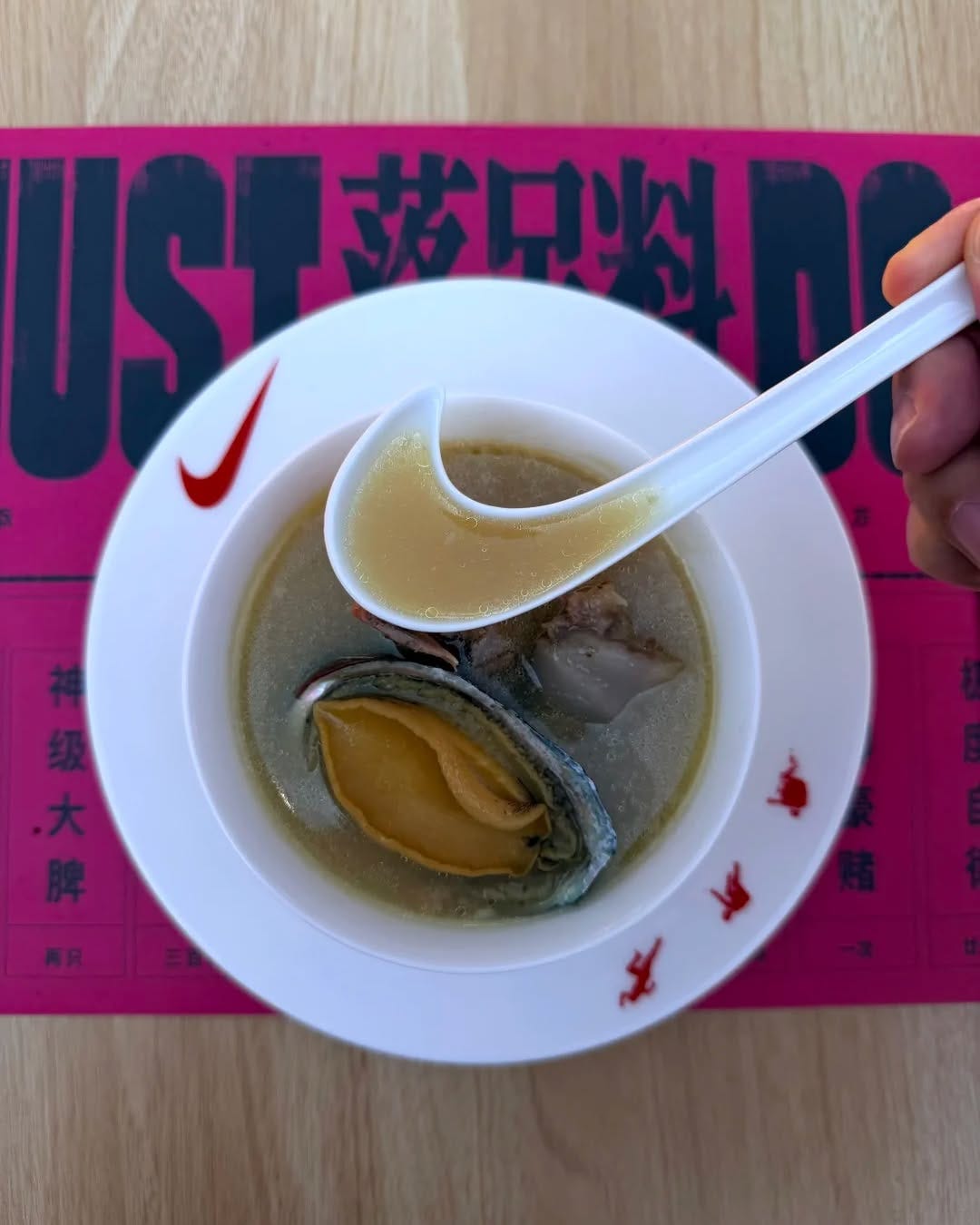
So, what’s the deal?
Runners who complete a three-kilometre run between November 15 and 23 can redeem a complimentary bowl at the pop-up, though supplies are limited to 50 bowls per day. It’s first-come, first-served. No reservations, no hype drops, no raffles. Just lace up, run your 3K, show proof at the venue, and claim your reward.
Set on a popular spot for local runners in Guangzhou, Nike didn’t position it at a prime real estate. The location choice is intentional. Runners don’t have to go out of their way; Nike came to them, meeting them at the end of their route with exactly what their bodies need. Something for recovery.
Talking about branding and the experience...
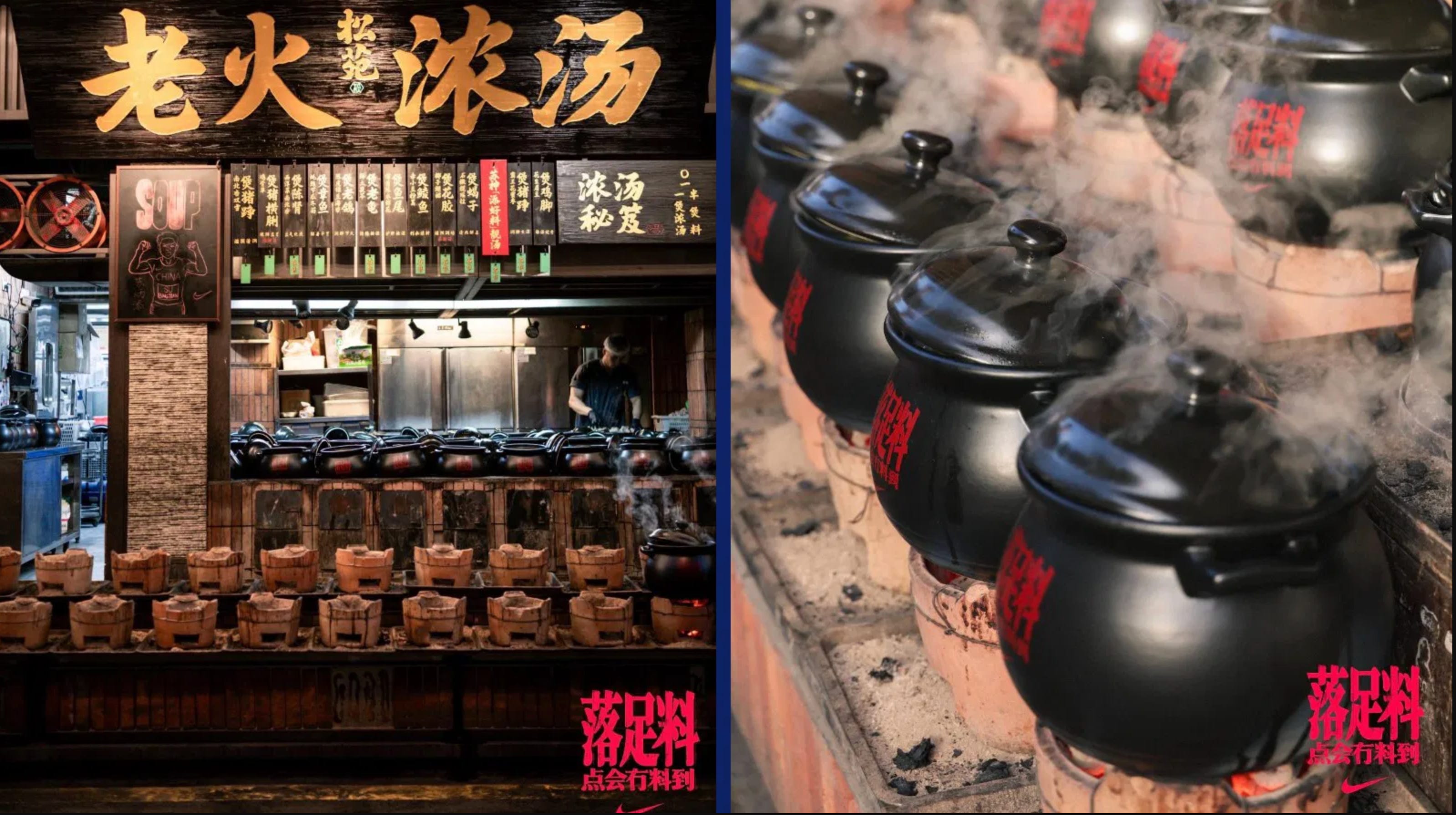
The herbal soup is served in a specially crafted Nike bowl with a Swoosh soup spoon (I truly wonder how you can use that spoon without spilling the soup all over yourself.) These aren’t throwaway plastic utensils. The branded spoon is a keepsake, a tangible reminder of the experience. The soup is cooked in clay pots above charcoal burners, creating a sensory experience that’s more than just a brand activation.
Imagine running on that route, spotting this pop-up. Wouldn’t you want to be one of the first 50 to get a bowl?
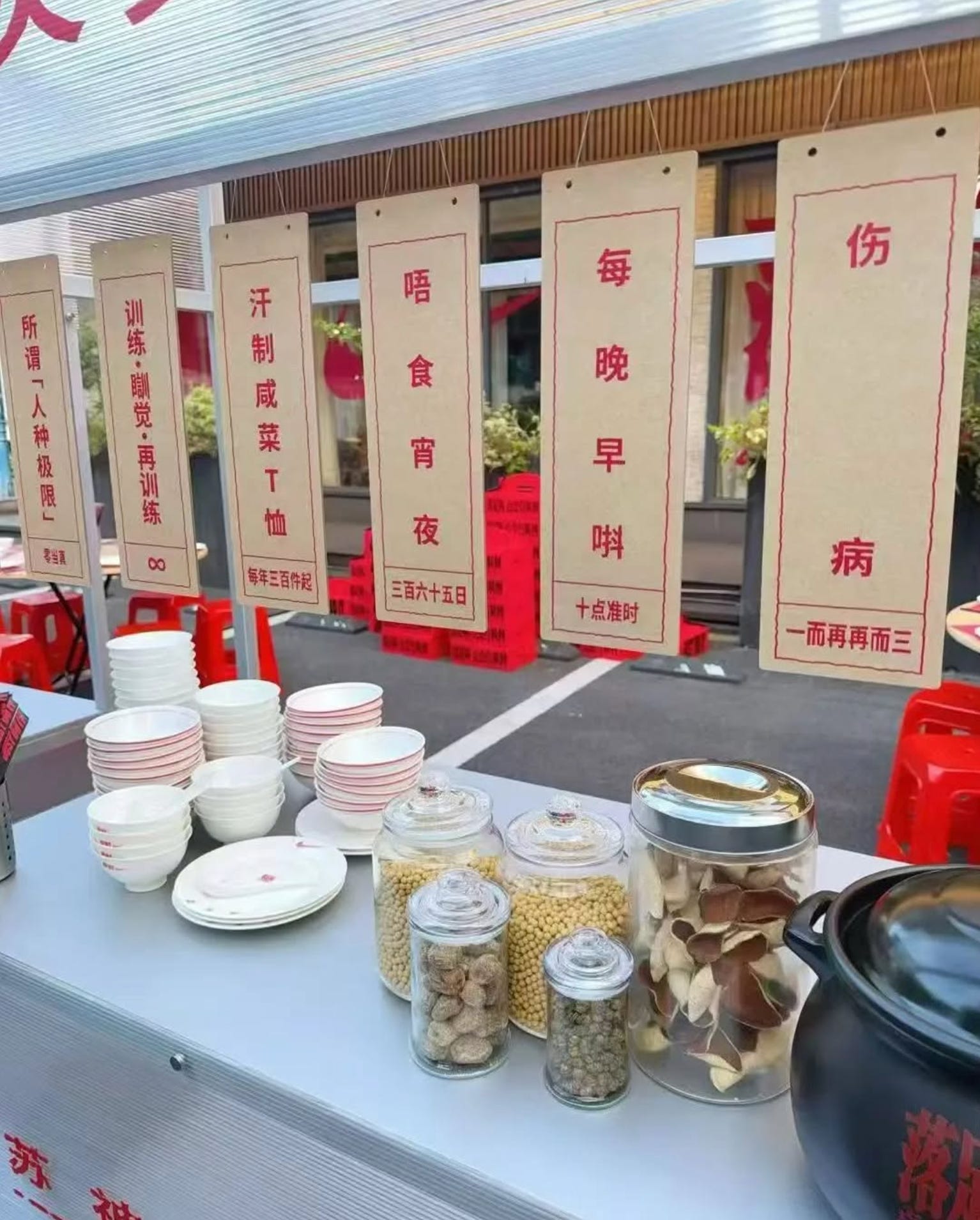
To align with local culture and community rituals, the space deliberately adopted a humble street-stall aesthetic rather than heavy marketing mindset. The atmosphere is simple: no hard sells, no LED screens, and no product displays. There’s subtle Nike presence but it largely focuses on the quiet, restorative satisfaction of post-run recovery.
It’s a masterstroke in local-first brand integration. Why? Because Nike tapped into the power of the local community. You can’t fake your way through a neighbourhood where people know each other, share rituals, and spot performative gestures from a mile away. When Nike serves soup on that island, they’re not targeting a demographic. They’re joining a daily rhythm that existed long before they arrived and will continue even after they leave. Communities have memory, culture, and collective wisdom that no amount of market research can replicate.
Honouring Guangzhou’s running culture and Cantonese soup traditions helped Nike earns something no ad campaign can buy: belonging.
In a digital-first world where we’re starving for real connection, brands that root themselves in the specific soil of local life — learning the language, respecting the rituals, or just showing up consistently for their communities — will always outperform those chasing viral moments.
But it’s not as rosy as it sounds (or looks)!
Nike has been struggling in China. They’ve posted double-digit sales declines in China for three straight quarters, losing ground to competitors like Hoka and domestic brands. The soup shop represents something more valuable than immediate sales: proof that Nike can still be culturally relevant in China. But will this change how the Chinese consumers think about Nike?
Only time will tell.
But for now, the first time in years, young Chinese consumers are talking about Nike not as a foreign brand trying to sell them shoes, but as a community member who actually gets them.
Plus, this campaign is going viral on Xiaohongshu (a social media platform in China), and praised by industry experts as one of the strongest localisation examples in China this year.
And the best part?
The real reward isn’t merchandise. It’s broth.
But I’ll take the merchandise, too. Nike, me when? (I’ll even catch a grenade for ya!)
I love the premium side of Substack that teaches me things I would never have encountered otherwise. This piece is a quietly brilliant, razor-sharp study of what real localisation looks like. Not a gimmick but a cultural gesture rooted in belonging.
💣